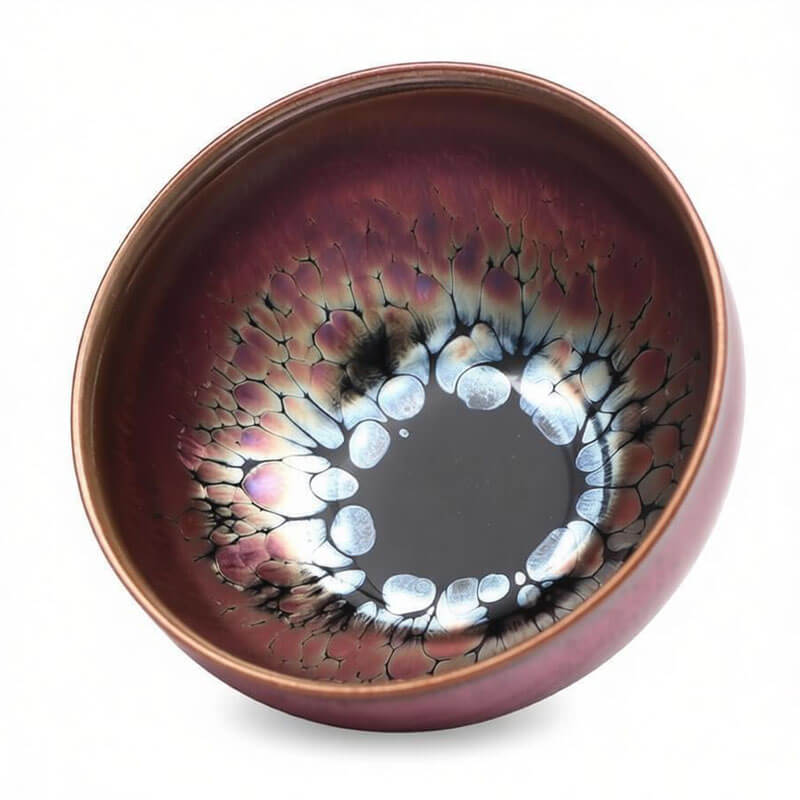
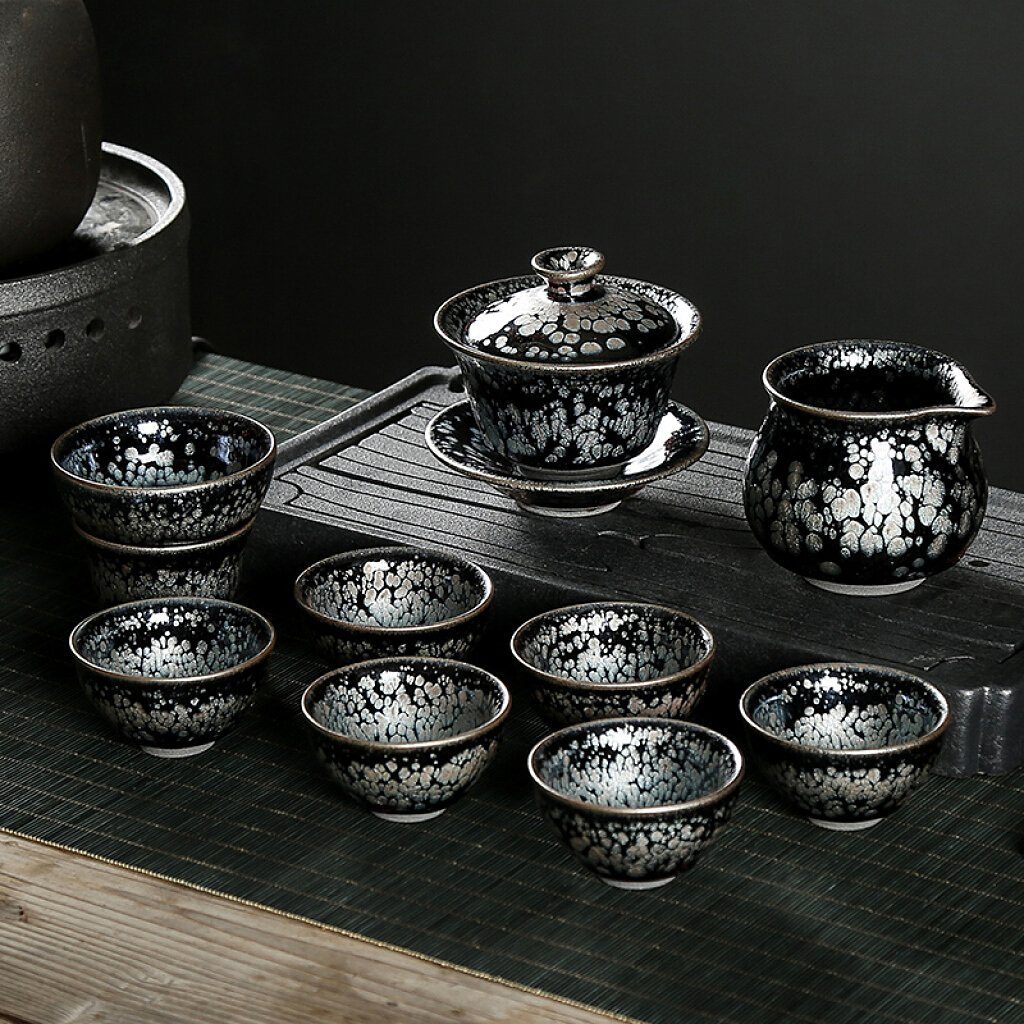
How to Care for Jian Zhan — Cleaning, Maintenance, and Long-Term Preservation
Chapter 10: How to Care for Jian Zhan — Cleaning, Maintenance, and Long-Term Preservation
Quick Answer: How Do You Care for a Tenmoku Cup?
A tenmoku cup should be cared for with gentle cleaning methods, proper drying, and careful storage. Handmade jianzhan bowls are durable stoneware, but their unique glaze surfaces and artisan craftsmanship deserve thoughtful maintenance to preserve their beauty for many years.
The best care routine is simple:
-
Rinse after use
-
Avoid harsh chemicals
-
Dry completely before storage
-
Handle carefully
-
Appreciate natural tea marks as part of the bowl’s journey
Unlike disposable tableware, a handmade Jian Zhan becomes more meaningful through long-term use.
Understanding the Nature of Jian Zhan Before Care
Before learning how to clean and maintain Jian Zhan, it is important to understand what makes it different from ordinary cups.
A traditional Jian Zhan bowl is made through:
-
Iron-rich clay
-
High-temperature firing
-
Mineral-based tenmoku glaze
-
Natural kiln transformation
The glaze surface is created through complex reactions between minerals and heat.
Because of this process, each bowl has its own:
-
Crystal structure
-
Surface texture
-
Color reflection
-
Visual character
Proper care is not about preventing the bowl from changing completely.
It is about preserving its natural beauty while allowing it to become part of your tea experience.
Daily Cleaning After Drinking Tea
The best maintenance practice is simple cleaning after each use.
Step 1: Empty Remaining Tea
After finishing your tea session:
-
Pour out remaining tea
-
Remove loose tea leaves if necessary
Avoid allowing tea residue to remain for long periods.
Step 2: Rinse With Warm Water
Rinse the bowl with warm water to remove:
-
Tea liquid
-
Small particles
-
Surface residue
For most daily use, warm water is sufficient.
Step 3: Use Gentle Cleaning When Needed
If additional cleaning is necessary:
Use:
-
Soft sponge
-
Soft cloth
-
Mild dish soap
Avoid:
-
Abrasive brushes
-
Strong chemical cleaners
-
Scrubbing pads
Although Jian Zhan glaze is durable, unnecessary abrasion may affect the surface over time.
Can You Put Jian Zhan in the Dishwasher?
This is one of the most common questions from new owners.
General Recommendation:
Hand washing is recommended for handmade Jian Zhan.
Although many high-fired ceramic bowls have good durability, dishwasher environments introduce several unnecessary risks:
-
Strong detergents
-
High-pressure water
-
Contact with other dishes
-
Sudden temperature changes
For a handmade ceramic piece with unique artistic value, gentle hand cleaning is the better choice.
Can You Use a Microwave With Jian Zhan?
Traditional Jian Zhan is high-fired stoneware and may tolerate heat well.
However, microwave use is generally not recommended for valuable handmade tea bowls.
Reasons include:
-
Uneven heating
-
Possible stress from repeated temperature changes
-
Risk to rare glaze surfaces
Jian Zhan is designed for enjoying tea, not for rapid heating.
Understanding Tea Stains on Jian Zhan
Many tea lovers notice that their bowl may develop changes after repeated use.
These changes can include:
-
Darker areas
-
Tea marks
-
Surface variation
Some people worry that these are signs of damage.
Usually, they are simply part of the relationship between tea and ceramic.
Are Tea Stains Bad for Jian Zhan?
Tea stains are not necessarily harmful.
Traditional tea culture often values the way a frequently used tea vessel develops character over time.
However, excessive residue should still be cleaned regularly.
A good balance is:
-
Keep the bowl hygienic
-
Allow natural aging
-
Avoid aggressive cleaning
The goal is preservation, not removing every sign of use.
How to Remove Tea Stains From a Tenmoku Cup
For stronger tea buildup, try gentle methods.
Method 1: Warm Water Soaking
Fill the bowl with warm water and allow it to sit briefly.
This helps soften residue naturally.
Method 2: Baking Soda (Occasional Use)
A small amount of baking soda can help remove stubborn tea marks.
Use gently:
-
Apply a small amount.
-
Rub softly.
-
Rinse thoroughly.
Avoid excessive polishing.
Method 3: Soft Cleaning Cloth
A microfiber cloth can remove surface residue without damaging the glaze.
Should You Season a Jian Zhan Bowl?
Some tea enthusiasts discuss "seasoning" tea ware.
Seasoning refers to the idea that repeated use gradually develops a relationship between the tea and the vessel.
For Jian Zhan, opinions vary.
Some users enjoy allowing the bowl to develop natural character.
Others prefer keeping the original appearance.
Both approaches are acceptable.
The most important principle is:
Use and care for your Jian Zhan in a way that respects the material and your personal tea practice.
Proper Storage of Jian Zhan
When not using your bowl, proper storage helps protect it.
Keep It Dry
After washing:
-
Remove remaining moisture
-
Allow complete air drying
Avoid storing a damp bowl in enclosed spaces.
Avoid Stacking Without Protection
Although Jian Zhan is durable, direct contact between bowls may cause:
-
Scratches
-
Impact damage
If stacking multiple bowls:
Use:
-
Soft cloth
-
Protective separators
Store Away From Extreme Temperature Changes
Avoid moving the bowl suddenly between:
-
Very cold environments
-
Very hot environments
Extreme temperature changes can create stress in ceramic materials.
Handling Your Jian Zhan Safely
A few simple habits help preserve your bowl:
Hold With Two Hands When Appropriate
Especially for larger bowls.
Avoid Hard Surface Impact
Ceramic is strong but can break if dropped.
Do Not Use Metal Tools Inside
Metal utensils may scratch some surfaces.
Caring for Rare or Collectible Jian Zhan
For collectible pieces, additional care may be appropriate.
Consider:
-
Limited handling
-
Protective storage
-
Documentation of origin
-
Avoiding unnecessary exposure
Collectors often preserve valuable Jian Zhan not only as tea ware but as ceramic artwork.
Does Jian Zhan Improve With Age?
The answer depends on what you mean by "improve."
The ceramic material itself does not mature like certain tea leaves.
However, the relationship between the user and the bowl can deepen over time.
A frequently used Jian Zhan may gain:
-
Personal history
-
Emotional meaning
-
Memories of tea sessions
This is one reason handmade tea ware is valued.
Common Mistakes in Jian Zhan Care
Mistake 1: Using Harsh Cleaners
Strong chemicals are unnecessary and may affect the experience of using handmade ceramics.
Mistake 2: Scrubbing Too Aggressively
Trying to remove every mark can damage the appreciation of natural aging.
Mistake 3: Leaving Tea Residue for Long Periods
While tea marks are normal, excessive buildup should still be cleaned.
Mistake 4: Treating Handmade Jian Zhan Like Ordinary Cups
A handmade bowl represents craftsmanship and history.
It deserves more thoughtful handling.
Building a Long-Term Relationship With Your Tenmoku Cup
One of the special qualities of Jian Zhan is that it encourages slower appreciation.
A factory-made cup is often replaced when worn.
A handmade tenmoku cup is often kept, cared for, and remembered.
Over years of use, the bowl becomes connected with:
-
Daily routines
-
Tea discoveries
-
Personal moments
This emotional value is an important part of traditional tea culture.
Key Takeaways
-
Tenmoku cups are durable but should be cleaned and handled carefully.
-
Hand washing with warm water is the preferred care method.
-
Avoid harsh chemicals, abrasive tools, and sudden temperature changes.
-
Natural tea marks are part of the life of a handmade Jian Zhan.
-
Proper storage helps preserve the bowl’s beauty and craftsmanship.
-
A well-cared-for jianzhan can be enjoyed for generations.
Frequently Asked Questions About Jian Zhan Care
Can I wash my Jian Zhan with soap?
Yes. A mild dish soap can be used when needed, followed by thorough rinsing.
Can Jian Zhan go in the dishwasher?
Hand washing is recommended, especially for valuable handmade pieces.
How do I remove tea stains from a tenmoku cup?
Use warm water soaking and gentle cleaning methods rather than abrasive scrubbing.
Does tea change the appearance of Jian Zhan?
Repeated use may create natural marks, which many tea lovers appreciate.
How long can a Jian Zhan bowl last?
With proper care, a high-quality Jian Zhan can last for many years or even generations.