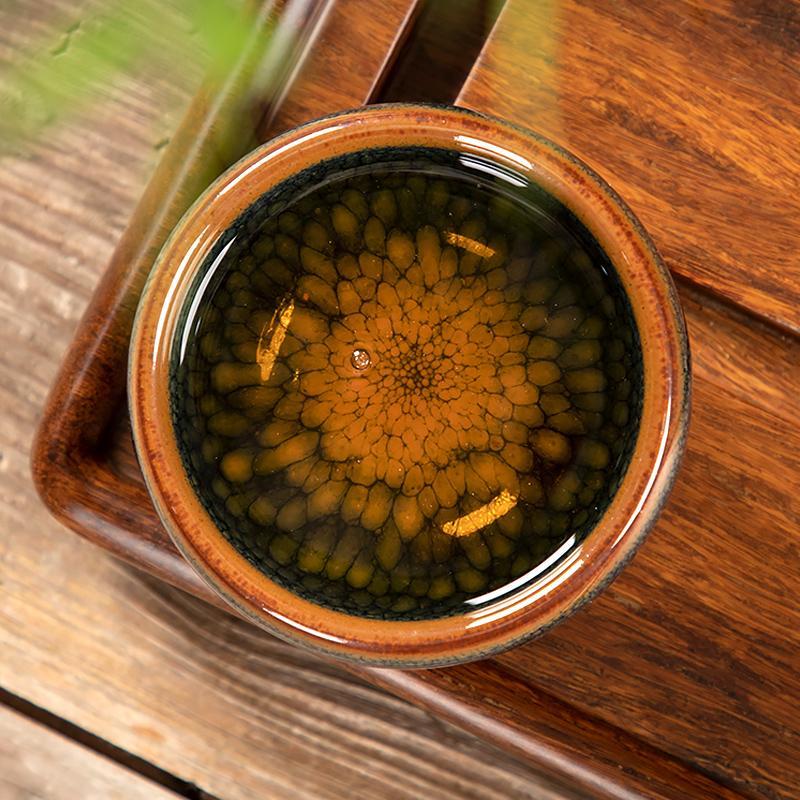
Jian Zhan and Tea Culture — Why This Ancient Tea Bowl Still Matters Today
Chapter 9: Jian Zhan and Tea Culture — Why This Ancient Tea Bowl Still Matters Today
Quick Answer: Why Is Jian Zhan Important in Tea Culture?
Jian Zhan Tenmoku is important in tea culture because it represents the connection between tea, craftsmanship, aesthetics, and tradition. Originating during the Song Dynasty, Jian Zhan became the preferred tea bowl for whisked tea competitions and remains valued today for its ability to enhance the visual and sensory experience of drinking tea.
A Jian Zhan bowl is not simply a container for tea. It is part of a larger cultural practice that encourages attention, patience, appreciation, and connection with the present moment.
For more than one thousand years, this relationship between tea and ceramic art has continued to inspire tea masters, collectors, and everyday tea drinkers.
Tea and Ceramics: A Relationship Built Over Centuries
Tea culture has always been connected with the objects used to prepare and enjoy tea.
A tea bowl influences more than function. It affects:
-
Visual presentation
-
Temperature experience
-
Aroma perception
-
Drinking rhythm
-
Emotional connection
Different periods of history developed different preferences for tea ware.
During the Song Dynasty, the dark glaze of Jian Zhan became closely associated with the refined practice of powdered tea.
Today, modern tea lovers continue this tradition by appreciating the harmony between tea and handmade ceramics.
Jian Zhan During the Song Dynasty Tea Renaissance
The Song Dynasty was a remarkable period for Chinese tea culture.
Tea became an important part of intellectual and artistic life among:
-
Scholars
-
Officials
-
Artists
-
Buddhist monks
-
The imperial court
The preparation of tea became highly refined.
Instead of simply drinking tea, people focused on:
-
Preparation technique
-
Equipment quality
-
Visual beauty
-
Appreciation of subtle differences
This environment created the perfect conditions for Jian Zhan to become one of the most respected tea bowls in Chinese history.
The Art of Dian Cha: Song Dynasty Whisked Tea
To understand why Jian Zhan became famous, we must understand dian cha (点茶).
Dian cha was a sophisticated tea preparation method where powdered tea was whisked with hot water to create a thick layer of foam.
The process involved:
-
Grinding tea leaves into fine powder.
-
Placing the powder into a tea bowl.
-
Adding hot water gradually.
-
Whisking the mixture until foam developed.
The quality of the tea was judged visually.
Tea masters examined:
-
Foam color
-
Foam thickness
-
Texture
-
Stability
The white foam created a dramatic contrast against the dark surface of Jian Zhan.
This practical advantage made Jian Zhan the ideal bowl for Song Dynasty tea competitions.
Why the Dark Surface of Jian Zhan Enhances Tea
One of the unique qualities of jian zhan tenmoku is its visual relationship with tea.
The deep dark glaze provides a strong background that highlights:
-
Tea color
-
Foam texture
-
Surface movement
-
Clarity of the liquid
This contrast allows tea drinkers to observe details that might be less visible in lighter-colored cups.
The bowl becomes part of the tea experience rather than simply holding the beverage.
Jian Zhan and Chinese Tea Philosophy
Traditional Chinese tea culture values harmony between:
-
Human beings
-
Nature
-
Time
-
Materials
Jian Zhan reflects these principles.
The bowl begins as earth.
The artisan shapes the clay.
The glaze comes from minerals.
Fire transforms the materials.
The final result contains both human effort and natural influence.
This philosophy mirrors the way many tea practitioners approach tea itself:
Respect the material.
Accept natural variation.
Appreciate the present moment.
Jian Zhan in Gongfu Tea Culture Today
Although Song Dynasty powdered tea is no longer the dominant preparation method in China, Jian Zhan remains highly appreciated in modern tea culture.
Many Gongfu tea practitioners use Jian Zhan with:
-
Oolong tea
-
Black tea
-
Pu-erh tea
-
Aged white tea
-
Dark tea
The reasons include:
Heat Retention
The thicker ceramic body helps maintain tea temperature.
Comfortable Drinking Experience
The rounded shape and substantial feel create a satisfying experience.
Visual Appreciation
The dark glaze enhances the appearance of many tea colors.
Artistic Enjoyment
Each bowl adds a unique aesthetic element to the tea session.
Jian Zhan and Different Types of Tea
Different teas create different experiences when paired with Jian Zhan.
Oolong Tea and Jian Zhan
Oolong tea is often appreciated for:
-
Aroma
-
Layered flavors
-
Complex aftertaste
The depth of Jian Zhan glaze complements the complexity of oolong tea.
The bowl helps create a focused tea experience where aroma, color, and texture can be fully appreciated.
Black Tea and Jian Zhan
Black tea often has:
-
Rich color
-
Sweet aroma
-
Smooth body
The dark glaze of Jian Zhan creates a beautiful contrast with the warm tones of black tea.
Pu-erh Tea and Jian Zhan
Pu-erh tea is known for:
-
Aging potential
-
Deep flavor
-
Earthy character
Many tea enthusiasts appreciate the traditional feeling created when drinking aged teas from handmade Jian Zhan.
Matcha and the Connection Between Jian Zhan and Japan
Jian Zhan also has an important connection with Japanese tea culture.
During the Song Dynasty, Japanese monks traveled to China and encountered Chinese tea practices.
They brought back tea knowledge and tea utensils, including dark-glazed bowls.
These bowls later influenced the development of Japanese Tenmoku traditions.
Today, some matcha enthusiasts appreciate Jian Zhan because of this historical connection.
The wide bowl shape and dark glaze can create a visually striking contrast with bright green matcha.
The Role of Jian Zhan in Modern Tea Rituals
Modern tea culture has expanded beyond traditional ceremonies.
Today, people use tea as a way to:
-
Relax
-
Practice mindfulness
-
Connect with friends
-
Create personal rituals
A handmade Jian Zhan bowl fits naturally into this modern lifestyle.
The act of preparing tea becomes slower and more intentional.
Holding a bowl with a unique glaze reminds the user to appreciate:
-
Craftsmanship
-
Time
-
Nature
-
Simple moments
Why Tea Lovers Form Emotional Connections With Jian Zhan
Many owners eventually develop a personal relationship with their favorite bowl.
This happens because Jian Zhan is not an identical industrial product.
A particular bowl may become associated with:
-
Morning tea routines
-
Quiet reflection
-
Conversations with friends
-
Important personal moments
Over time, the bowl becomes part of the owner's tea journey.
This emotional connection is one reason handmade tea ware continues to remain meaningful in the modern world.
Jian Zhan as a Bridge Between Past and Present
A modern tea drinker using Jian Zhan participates in a tradition that connects:
-
Song Dynasty scholars
-
Ancient artisans
-
Buddhist tea practitioners
-
Contemporary tea enthusiasts
The bowl represents continuity.
Although tea habits have changed over centuries, the appreciation of beauty, craftsmanship, and mindful enjoyment remains the same.
Key Takeaways
-
Jian Zhan Tenmoku became famous during the Song Dynasty because it was ideal for whisked tea and tea competitions.
-
Its dark glaze creates a beautiful contrast with tea color and foam.
-
Jian Zhan continues to play an important role in modern Gongfu tea culture.
-
The bowl pairs well with many teas, including oolong, black tea, pu-erh, and matcha.
-
The connection between Jian Zhan and tea reflects traditional Chinese ideas about harmony, nature, and craftsmanship.
-
Today, Jian Zhan remains a bridge between ancient tea culture and modern tea appreciation.
Frequently Asked Questions About Jian Zhan and Tea
What tea is best for Jian Zhan?
Jian Zhan works well with many teas, especially oolong, black tea, pu-erh, aged white tea, and matcha.
Why did Song Dynasty tea masters prefer Jian Zhan?
The dark glaze created an ideal background for judging the white foam of whisked tea.
Can Jian Zhan be used for daily tea drinking?
Yes. Many modern tea lovers use Jian Zhan as everyday tea ware.
Is Jian Zhan only for traditional Chinese tea?
No. It can be enjoyed with various tea styles and modern tea practices.
Does Jian Zhan change the taste of tea?
The experience may be influenced by heat retention, shape, and drinking style, although flavor perception is also personal.