Jian Zhan vs Tenmoku: What Is the Difference Between Jian Ware and Tianmu Tea Bowls?
Quick Answer: Is Jian Zhan the Same as Tenmoku?
Jian Zhan and Tenmoku are closely connected but are not exactly the same term. Jian Zhan refers specifically to tea bowls made in the Jian ware tradition of China, while Tenmoku is the Japanese name used historically to describe Jian-style dark glazed tea bowls and later a broader category of similar ceramic styles.
In simple terms:
-
Jian Zhan (建盏) = the original Chinese Jian ware tea bowl tradition.
-
Tenmoku (天目) = the Japanese term derived from Chinese Jian-style bowls and now used internationally for dark glazed ceramic tea bowls.
-
Tianmu (天目) = the Chinese pronunciation of the same characters used for Tenmoku.
The relationship can be understood as:
Jian Zhan → introduced to Japan → called Tenmoku → became a global ceramic term
Why Do People Confuse Jian Zhan and Tenmoku?
For international tea lovers, these terms often appear together:
-
Tianmu tea bowl
-
Jian ware
This creates confusion because different countries developed different naming traditions.
The confusion comes from the fact that the history of these bowls crosses:
-
Chinese ceramic culture
-
Japanese tea culture
-
International ceramic appreciation
Understanding the difference requires looking at both history and language.
What Is Jian Zhan?
The Original Chinese Jian Ware Tea Bowl
Jian Zhan (建盏) literally means:
"Jian tea bowl."
It refers to bowls produced in the Jian kiln tradition of Fujian Province, China.
The most famous production area is:
Jianyang (建阳), Fujian
where artisans developed distinctive dark-glazed tea bowls during the Song Dynasty.
Characteristics of Jian Zhan
Traditional Jian Zhan is known for:
1. Iron-Rich Clay
The clay contains a high amount of iron minerals, creating:
-
Dense ceramic body
-
Dark coloration
-
Unique interaction with glaze
2. Tenmoku-Type Glaze Effects
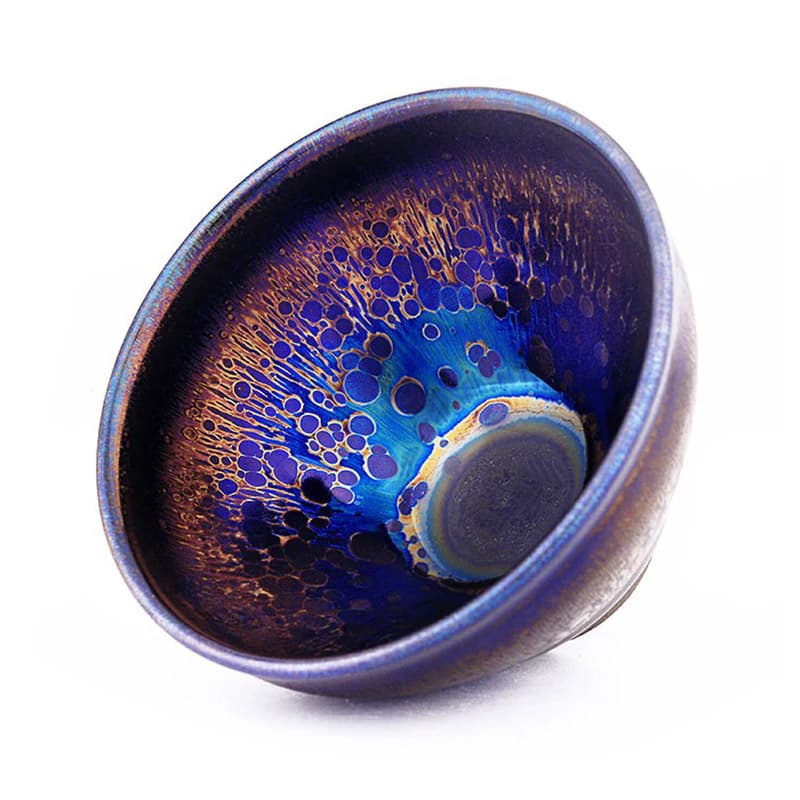
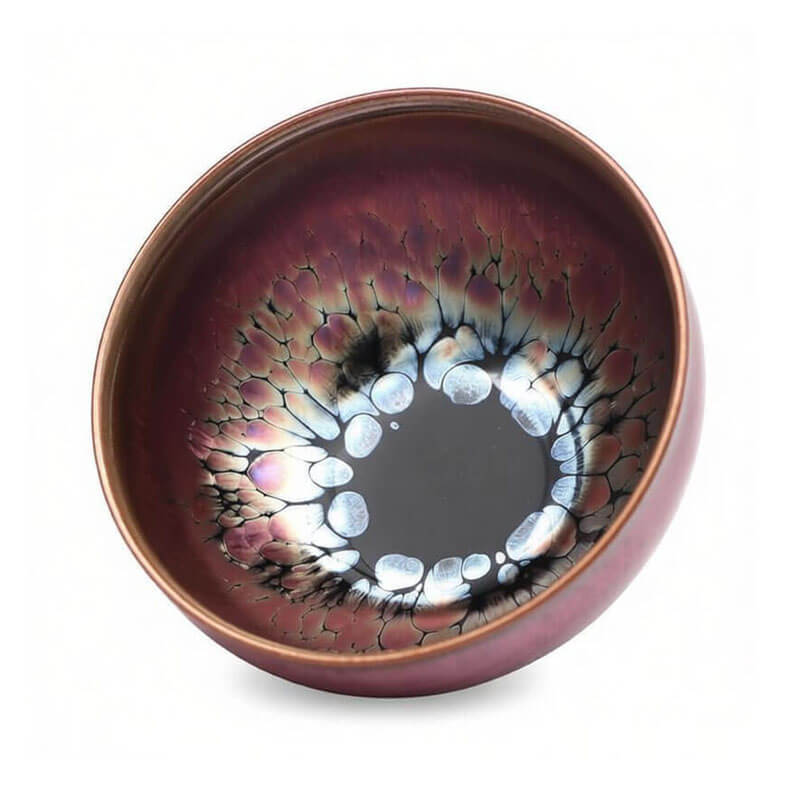
Classic Jian Zhan includes famous glaze styles such as:
-
Hare’s Fur (兔毫)
-
Oil Spot (油滴)
-
Yohen (曜变)
These patterns develop naturally during firing.
3. Connection With Song Dynasty Tea Culture
Jian Zhan was closely associated with:
-
Dian cha (宋代点茶)
-
Tea competitions
-
Scholar culture
-
Imperial appreciation
It was not simply tableware.
It was part of a refined cultural practice.
What Is Tenmoku?
The Japanese Name for Jian-Style Tea Bowls
The word Tenmoku (天目) originated in Japan.
The characters come from:
Tianmu Mountain (天目山)
in Zhejiang Province, China.
During the Song Dynasty, Japanese monks traveled to China to study Buddhism and culture.
They brought tea knowledge and ceramic objects back to Japan.
Among these objects were dark glazed Chinese tea bowls.
These became known as:
Tenmoku bowls.
How Tenmoku Became a Global Ceramic Term
Over time, Tenmoku expanded beyond its original meaning.
Today, the word can refer to:
-
Traditional Jian-style bowls
-
Japanese dark glazed ceramics
-
Modern ceramic glaze styles inspired by historical examples
Therefore, not every Tenmoku bowl is a Jian Zhan.
Jian Zhan vs Tenmoku: The Key Difference
The simplest explanation:
| Jian Zhan | Tenmoku | |
|---|---|---|
| Origin | China | Japan (term origin) |
| Historical source | Jian kiln tradition | Name developed through Japanese tea culture |
| Meaning | Jian tea bowl | Dark glazed tea bowl category |
| Famous period | Song Dynasty China | Japanese tea tradition |
| Main materials | Iron-rich Jian clay | Various ceramic bodies |
| Famous styles | Hare’s Fur, Oil Spot, Yohen | Includes Jian-inspired and Japanese styles |
Is Every Tenmoku Bowl a Jian Zhan?
No.
This is one of the most important distinctions.
A bowl may have a Tenmoku glaze appearance but not be Jian Zhan.
Examples include:
-
Modern Japanese Tenmoku pottery
-
Contemporary ceramic works
-
Factory-made dark glazed cups
Authentic Jian Zhan specifically refers to the Jian ware tradition.
Is Every Jian Zhan a Tenmoku Bowl?
Historically and internationally, Jian Zhan is often considered a type of Tenmoku because it represents the original source of the style.
However, many ceramic experts prefer to distinguish:
-
Jian Zhan = specific Chinese origin and technique
-
Tenmoku = broader international category
Both terms are correct depending on context.
Jian Zhan Tenmoku: Why Are They Used Together?
Many sellers and collectors use the phrase:
Jian Zhan Tenmoku
because it communicates both:
-
Chinese origin (Jian Zhan)
-
International recognition (Tenmoku)
For global customers, this phrase helps explain that the bowl belongs to the famous dark glaze tea bowl tradition.
Jian Zhan vs Japanese Tenmoku Pottery
Modern Japanese Tenmoku pottery developed its own artistic direction.
Japanese ceramic artists created variations based on:
-
Local clay
-
Different firing methods
-
Individual aesthetics
While influenced by Jian Zhan, these works represent separate traditions.
Chinese Jian Zhan:
Focuses on:
-
Historical Jian ware forms
-
Song Dynasty tradition
-
Iron-rich clay
-
Natural mineral glaze effects
Japanese Tenmoku:
Often focuses on:
-
Individual ceramic expression
-
Local artistic interpretation
-
Modern glaze development
Why Jian Zhan Remains Unique
Jian Zhan is special because of the combination of:
Historical Authenticity
It comes from one of China's most important ceramic traditions.
Material Characteristics
Traditional Jian clay creates a unique relationship with glaze.
Tea Culture Connection
It was specifically developed for tea appreciation.
Natural Glaze Transformation
The patterns are created through kiln chemistry.
Choosing Between Jian Zhan and Other Tenmoku Bowls
The right choice depends on your interest.
Choose Jian Zhan If You Appreciate:
-
Chinese tea history
-
Song Dynasty aesthetics
-
Traditional craftsmanship
-
Natural glaze patterns
Choose Other Tenmoku Ceramics If You Appreciate:
-
Contemporary pottery
-
Japanese ceramic styles
-
Modern artistic interpretation
Why the Difference Matters for Buyers
Understanding terminology helps buyers make informed decisions.
When purchasing a tea bowl, ask:
Where was it made?
Origin affects cultural and technical background.
What materials were used?
Clay composition influences the final result.
How was the glaze created?
Natural kiln effects differ from decorative surfaces.
Is it handmade?
Craftsmanship determines uniqueness.
The Role of Jian Zhan in Modern Tea Culture
Today, Jian Zhan has become appreciated worldwide because it represents more than a historical object.
It combines:
-
Ancient tradition
-
Functional design
-
Artistic beauty
-
Personal tea experience
Modern tea lovers use Jian Zhan alongside:
-
Yixing teapots
-
Glass cups
Each vessel offers a different relationship with tea.
Frequently Asked Questions About Jian Zhan and Tenmoku
Is Jian Zhan the same as Tenmoku?
They are closely related but not identical. Jian Zhan refers to the Chinese Jian ware tradition, while Tenmoku is a broader international term.
What does Tenmoku mean?
Tenmoku is the Japanese pronunciation of Tianmu (天目), originally connected with Chinese tea culture and Jian-style bowls.
Are all Tenmoku bowls made in China?
No. Modern Tenmoku ceramics are produced in different countries.
What makes Jian Zhan different?
Its Jian kiln origin, iron-rich clay, historical tea connection, and natural glaze effects make it unique.
Which is better: Jian Zhan or Tenmoku?
Neither is universally better. The choice depends on whether you value traditional Jian ware heritage or broader Tenmoku ceramic styles.
Final Thoughts: Understanding the Jian Zhan and Tenmoku Connection
Jian Zhan and Tenmoku represent one of the most fascinating journeys in ceramic history.
A Chinese tea bowl tradition traveled across cultures, gained new meanings, and became appreciated worldwide.
Jian Zhan represents the origin.
Tenmoku represents the international story.
Together, they describe a ceramic tradition shaped by:
-
History
-
Tea culture
-
Craftsmanship
-
Human appreciation
For modern tea lovers, understanding the difference allows a deeper appreciation of every bowl.