How Jian Zhan Is Made — The Complete Handmade Process From Clay Preparation to Final Firing
Chapter 6: How Jian Zhan Is Made — The Complete Handmade Process From Clay Preparation to Final Firing
Quick Answer: How Is Jian Zhan Made?
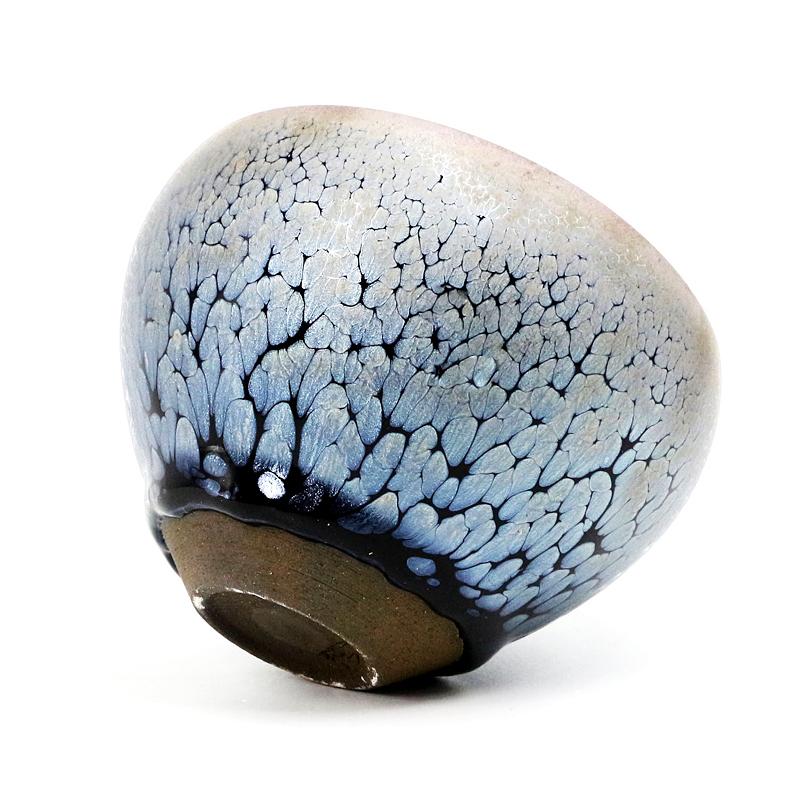
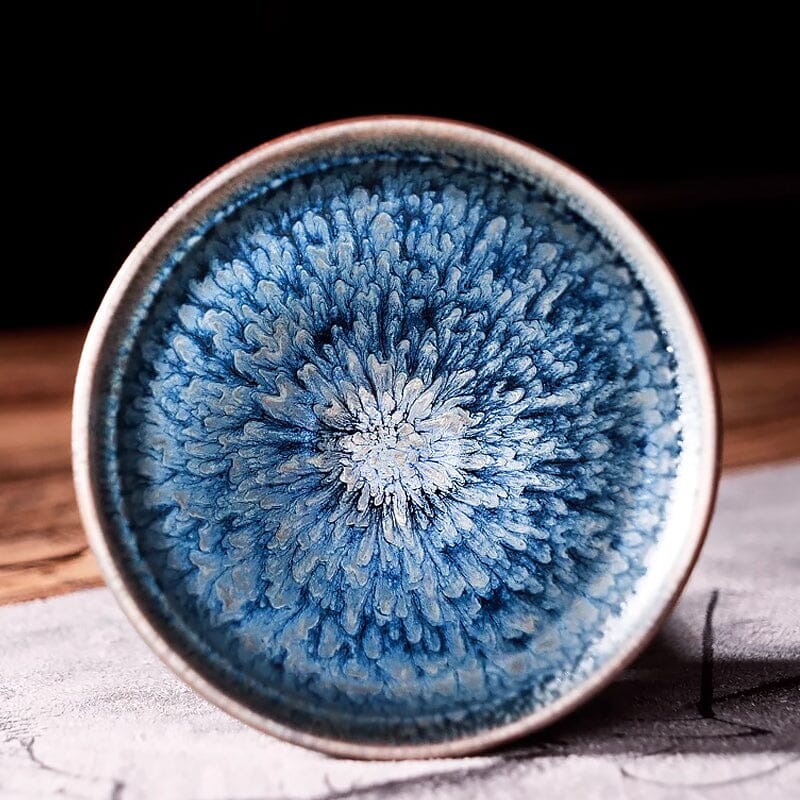
Jian Zhan is made through a traditional ceramic process that combines iron-rich clay preparation, handmade shaping, high-iron glazing, and high-temperature kiln firing. Unlike mass-produced tea cups, each jian zhan bowl is transformed by natural reactions between clay, glaze, fire, and time, resulting in a unique tenmoku surface.
The creation of a traditional Jian Zhan bowl requires both technical knowledge and artistic intuition. The artisan controls every stage possible, but the final glaze appearance is created through the unpredictable beauty of the kiln.
This relationship between human craftsmanship and natural transformation is the foundation of Jian Zhan’s enduring appeal.
The Philosophy Behind Handmade Jian Zhan
Before understanding the production process, it is important to understand the philosophy behind this ancient craft.
A Jian Zhan bowl is not created through a simple manufacturing process where every product is expected to look identical.
Instead, traditional ceramic making follows a different principle:
The artisan creates the conditions; the kiln creates the final artwork.
The potter controls:
-
Clay selection
-
Bowl shape
-
Wall thickness
-
Glaze application
-
Kiln preparation
However, once the bowl enters the high-temperature kiln, natural forces take over.
The movement of minerals, changes in temperature, and kiln atmosphere determine the final appearance.
This is why handmade jian zhan is valued not despite its variations, but because of them.
Step 1: Selecting and Preparing Jian Zhan Clay
The foundation of every Jian Zhan bowl is its clay.
Traditional Jian ware uses a special iron-rich clay from the Jianyang region of Fujian Province.
This clay is different from ordinary ceramic clay because it contains a higher level of iron minerals.
These minerals contribute to:
-
The dark body color
-
The interaction with iron glaze
-
The characteristic weight and texture
-
The ability to create famous tenmoku effects
Clay Processing
Raw clay cannot be used immediately.
The artisan must prepare it through several steps:
Cleaning
Natural clay may contain unwanted materials such as stones, roots, and impurities.
These must be removed to create a consistent ceramic body.
Grinding
The clay is processed into a fine material suitable for shaping.
Filtering
Fine particles are separated to improve texture and workability.
Aging
Some traditional ceramic makers allow prepared clay to rest before use.
This process improves:
-
Plasticity
-
Stability
-
Workability
The preparation of clay requires patience because the quality of the final bowl begins long before it reaches the pottery wheel.
Step 2: Shaping the Bowl by Hand
After clay preparation, the artisan begins forming the bowl.
Traditional jian zhan is usually shaped on a pottery wheel.
Although the final form may appear simple, creating the correct proportions requires significant skill.
Important elements include:
Bowl Profile
The curve of the bowl influences:
-
Tea experience
-
Visual balance
-
Glaze movement during firing
Wall Thickness
Jian Zhan bowls are known for their substantial feeling.
The thickness must balance:
-
Heat retention
-
Weight
-
Comfort in use
Foot Design
The base of the bowl is another important feature.
A carefully shaped foot provides:
-
Stability
-
Visual harmony
-
Traditional appearance
Why Simple Shapes Require More Skill
One common misunderstanding is that a simple bowl shape must be easier to create.
In reality, simplicity often requires greater precision.
A Jian Zhan bowl has fewer decorative elements to hide imperfections.
The artisan must achieve harmony through:
-
Curve
-
Proportion
-
Balance
-
Surface quality
Every line of the bowl contributes to the final impression.
Step 3: Drying the Handmade Bowl
After shaping, the bowl cannot immediately enter the kiln.
It must dry slowly and carefully.
During drying, the clay loses water and becomes more stable.
If drying happens too quickly:
-
Cracks may appear
-
The bowl may warp
-
Stress may develop inside the clay
Experienced artisans understand that patience during this stage directly affects firing success.
A well-prepared bowl should enter the kiln with the right balance of moisture and strength.
Step 4: Applying the Tenmoku Glaze
The next stage is glazing.
The traditional dark appearance of jian zhan comes from a high-iron tenmoku glaze.
The glaze formula is carefully prepared using mineral materials that react during firing.
The artisan applies glaze while considering:
-
Thickness
-
Coverage
-
Bowl shape
-
Desired firing result
Glaze Thickness and Final Appearance
Glaze application requires experience because thickness strongly affects the final result.
If the glaze is too thin:
-
Crystal effects may not fully develop
-
The surface may lack depth
If the glaze is too thick:
-
The glaze may flow excessively
-
Defects may occur
The artisan must find the balance that allows the kiln to create beautiful natural patterns.
Step 5: Preparing the Kiln
Kiln preparation is one of the most important parts of Jian Zhan production.
Traditional Jian ware depends heavily on firing conditions.
Before firing, artisans carefully consider:
-
Kiln temperature
-
Bowl placement
-
Flame direction
-
Air circulation
-
Firing schedule
The position of a bowl inside the kiln can influence the final result.
Two bowls placed only a short distance apart may emerge with completely different glaze patterns.
Step 6: The High-Temperature Firing Process
The firing process is where Jian Zhan truly comes alive.
The kiln temperature rises gradually until reaching extremely high temperatures, often around 1,300°C or higher.
During firing:
The Clay Transforms
The ceramic body becomes stronger and more stable.
The Glaze Melts
The glaze becomes fluid and begins interacting with the clay.
Minerals React
Iron compounds move and transform.
Crystal Patterns Develop
The famous tenmoku effects begin forming.
This stage represents the meeting point between science and nature.
The Mystery of Kiln Transformation
Unlike painted ceramics, the artisan cannot fully predict the final appearance.
The kiln introduces countless variables:
-
Temperature differences
-
Oxygen levels
-
Flame movement
-
Cooling speed
-
Mineral reactions
This unpredictability is not considered a problem.
It is the essence of Jian Zhan.
A successful firing creates something that could never be exactly repeated.
Step 7: Cooling and Revealing the Final Bowl
After firing, the kiln must cool gradually.
Opening the kiln too early can damage the ceramic.
The cooling process affects:
-
Glaze stability
-
Crystal development
-
Surface appearance
When the artisan finally opens the kiln, each bowl reveals its own transformation.
Some may show:
-
Strong Hare’s Fur patterns
-
Beautiful Oil Spot crystals
-
Rare Yohen effects
Others may have more subtle beauty.
Each result tells the story of the firing process.
Why Handmade Jian Zhan Takes Time
Creating a single Jian Zhan bowl involves many stages:
-
Clay preparation
-
Hand shaping
-
Drying
-
Glaze preparation
-
Glaze application
-
Kiln loading
-
High-temperature firing
-
Quality selection
A mistake at any stage may result in failure.
This is why handmade jian zhan represents much more than a simple tea cup.
It represents:
-
Skill
-
Patience
-
Experience
-
Respect for tradition
Handmade Jian Zhan vs Mass-Produced Tea Cups
Modern manufacturing can create thousands of identical cups quickly.
However, handmade jian zhan offers something different.
Individuality
Each bowl has its own glaze development.
Craftsmanship
Every piece contains the artisan’s decisions.
Cultural Connection
Each bowl continues a tradition developed over centuries.
Emotional Value
Owners often develop a personal connection with a piece because no identical replacement exists.
The Relationship Between Artisan and Kiln
The creation of Jian Zhan reflects an important traditional Chinese artistic idea:
Harmony between humans and nature.
The artisan does not attempt to completely dominate the material.
Instead, they cooperate with natural processes.
The clay comes from the earth.
The glaze comes from minerals.
The kiln provides transformation through fire.
The final bowl represents the combination of all these elements.
Key Takeaways
-
Jian Zhan is created through a traditional handmade ceramic process.
-
The production begins with special iron-rich clay from the Jianyang region.
-
Every stage, from shaping to glazing, influences the final result.
-
Tenmoku glaze develops through complex mineral reactions during high-temperature firing.
-
The kiln plays a creative role, making every bowl unique.
-
Handmade jian zhan represents the balance between human craftsmanship and natural transformation.
Frequently Asked Questions About Jian Zhan Production
How long does it take to make a Jian Zhan bowl?
The process varies, but handmade production requires multiple stages from clay preparation to final firing.
Is Jian Zhan handmade?
Traditional Jian Zhan is handmade, including shaping, glazing, and kiln preparation.
Why are handmade Jian Zhan bowls different from each other?
Natural kiln conditions create unique glaze patterns that cannot be perfectly duplicated.
What makes Jian Zhan glaze special?
Its high iron content allows mineral crystals to form during firing, creating famous tenmoku patterns.
Why is Jian Zhan difficult to produce?
The combination of special clay, complex glaze chemistry, and unpredictable kiln reactions makes successful firing challenging.