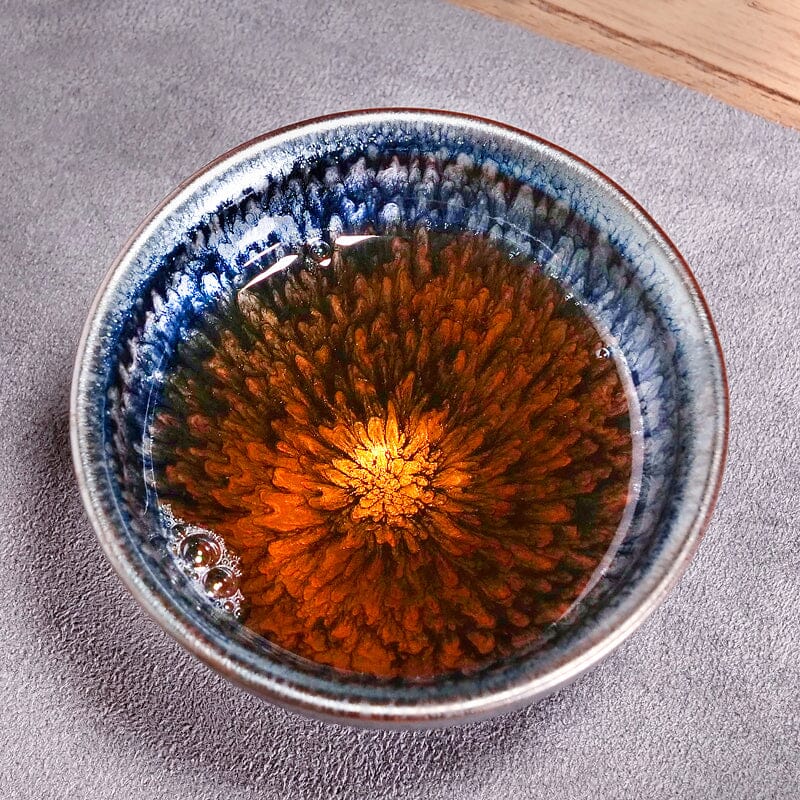
How to Choose the Perfect Jianzhan — A Complete Buying Guide for Beginners and Collectors
Chapter 7: How to Choose the Perfect Jianzhan — A Complete Buying Guide for Beginners and Collectors
Quick Answer: How Do You Choose a Jianzhan Tea Bowl?
Choosing the right jianzhan tea bowl depends on understanding five key factors: craftsmanship, clay quality, glaze characteristics, size, and intended use. A good jianzhan should not only have beautiful tenmoku glaze effects but also demonstrate balance between shape, material, and traditional ceramic techniques.
For beginners, the best choice is usually not the rarest or most expensive bowl, but one that matches your tea habits, aesthetic preferences, and appreciation of handmade craftsmanship.
A high-quality jianzhan is a combination of:
-
Authentic materials
-
Skilled craftsmanship
-
Natural kiln transformation
-
Functional design
-
Personal connection
Why Choosing a Jianzhan Requires Knowledge
Buying a handmade tea bowl is different from purchasing an ordinary cup.
A factory-produced cup is usually judged by:
-
Consistent shape
-
Uniform color
-
Low price
A traditional jianzhan is appreciated differently.
Collectors and tea enthusiasts consider:
-
The origin of the craft
-
The quality of the clay
-
The development of the glaze
-
The skill of the artisan
-
The uniqueness of the kiln result
Because every jianzhan is influenced by natural firing conditions, no two bowls are exactly identical.
The goal is not to find a "perfectly identical" product.
The goal is to find a bowl with character and harmony.
Step 1: Understand Your Purpose Before Buying
Before choosing a jianzhan, consider how you plan to use it.
Different users may look for different qualities.
For Daily Tea Drinking
If you plan to use your bowl every day, consider:
-
Comfortable size
-
Balanced weight
-
Durable glaze
-
Easy cleaning
-
Practical shape
A medium-sized bowl with a stable shape is often ideal.
For Gongfu Tea Practice
Tea practitioners may focus on:
-
Bowl thickness
-
Heat retention
-
Hand feel
-
Tea color presentation
Jianzhan works especially well with teas such as:
-
Oolong tea
-
Black tea
-
Pu-erh tea
-
Aged white tea
For Collecting
Collectors often pay more attention to:
-
Rare glaze effects
-
Artisan reputation
-
Firing quality
-
Historical techniques
-
Uniqueness
A collectible jianzhan is valued as both functional tea ware and ceramic art.
Step 2: Choose the Right Size and Capacity
Jianzhan bowls come in different sizes, and the best choice depends on your tea style.
Common capacities include:
Small Jianzhan (50–100 ml)
Suitable for:
-
Individual tea tasting
-
Concentrated tea sessions
-
Collectors who prefer delicate forms
Medium Jianzhan (100–150 ml)
A popular choice for many tea lovers.
Advantages:
-
Comfortable daily use
-
Good balance in hand
-
Suitable for many tea styles
Large Jianzhan (150–250 ml or more)
Often preferred for:
-
Tea sharing
-
Matcha preparation
-
Larger serving styles
Large bowls also provide more surface area for appreciating dramatic glaze patterns.
Step 3: Understanding Jianzhan Bowl Shapes
Although jianzhan shapes may appear simple, traditional forms have important differences.
Open Bowl Shape
Features:
-
Wide opening
-
Elegant appearance
-
Easy observation of tea color
Conical Shape
Features:
-
Higher walls
-
Classic Song Dynasty appearance
-
Good heat retention
Flared Rim Shape
Features:
-
Wider mouth
-
Comfortable drinking experience
-
Strong visual balance
Why Shape Matters
The shape affects:
-
How tea aroma develops
-
How heat is maintained
-
How the glaze is displayed
-
How comfortable the bowl feels
A beautiful glaze should work together with the bowl shape, not compete with it.
Step 4: Understanding Jian Zhan Tenmoku Glaze Quality
The glaze is often the first thing people notice.
However, choosing a good glaze requires looking beyond surface beauty.
Important factors include:
1. Natural Pattern Development
Authentic jian zhan tenmoku patterns are created through kiln transformation.
Look for:
-
Natural crystal formation
-
Depth in the glaze
-
Variation under light
-
Organic patterns
Artificial decoration cannot reproduce this depth.
2. Balance of Pattern
More dramatic does not always mean better.
A high-quality glaze should have:
-
Visual harmony
-
Balanced distribution
-
Connection with the bowl shape
A simple Hare’s Fur pattern can be more elegant than an overly intense surface.
3. Surface Quality
A good jianzhan glaze should appear:
-
Smooth
-
Deep
-
Layered
-
Naturally developed
The surface should show the complexity created by firing.
Step 5: Understanding Different Glaze Styles
Hare’s Fur Jianzhan
Best known for:
-
Flowing streak patterns
-
Traditional Song Dynasty connection
-
Elegant appearance
A good choice for people who appreciate historical authenticity.
Oil Spot Jianzhan
Known for:
-
Metallic crystal dots
-
Reflective appearance
-
Strong visual impact
Popular among collectors because every piece has unique crystal development.
Yohen Jianzhan
Known for:
-
Rare color transformation
-
Blue, purple, and rainbow reflections
-
Exceptional kiln results
Often considered one of the most prestigious glaze effects.
Step 6: Handmade vs Mass-Produced Tea Bowls
One of the most important buying decisions is understanding the difference between handmade and industrial products.
Handmade Jianzhan
Characteristics:
-
Unique shape variations
-
Natural glaze differences
-
Artisan involvement
-
Individual character
Mass-Produced Imitations
Characteristics:
-
Identical appearance
-
Machine consistency
-
Artificial patterns
-
Limited craftsmanship value
While modern production can create attractive tea cups, traditional jianzhan is valued because of its handmade nature.
Step 7: Understanding Jianzhan Price Factors
Many beginners ask:
Why do some Jianzhan bowls cost much more than others?
Price is influenced by several factors.
Craftsmanship
More experienced artisans usually create more refined work.
Glaze Difficulty
Some glaze effects are more difficult to achieve.
For example:
-
Certain Yohen effects are rare.
-
Excellent Oil Spot development requires precise firing.
-
Fine Hare’s Fur patterns require skill.
Firing Success Rate
High-temperature firing involves risk.
Many bowls may not achieve the desired result.
Successful pieces represent:
-
Material cost
-
Time investment
-
Technical experience
Artistic Value
Like other handmade arts, value also comes from:
-
Design
-
Creativity
-
Individual expression
Step 8: How to Identify Authentic Jianzhan
When buying online, consider these points:
Check Material Information
Look for information about:
-
Clay
-
Glaze
-
Firing method
-
Handmade process
Examine Photos Carefully
Good product photography should show:
-
Glaze details
-
Surface texture
-
Bowl shape
-
Size reference
Avoid Unrealistic Claims
Be careful with statements such as:
-
"Every bowl is identical"
-
"Perfect machine-made patterns"
-
"Guaranteed identical colors"
Traditional jianzhan naturally varies.
Step 9: Choosing Jianzhan as a Gift
A handmade jianzhan makes a meaningful gift because it represents:
-
Tradition
-
Patience
-
Artistry
-
Personal appreciation
Suitable occasions include:
-
Birthday gifts
-
Anniversary gifts
-
Tea lover gifts
-
Cultural gifts
-
Business gifts
A carefully selected tea bowl can become an object used and appreciated for many years.
Building a Personal Connection With Your Jianzhan
Many tea lovers discover that their favorite bowl is not always the most expensive one.
A bowl becomes meaningful through:
-
Daily use
-
Tea memories
-
Personal preference
-
Appreciation of craftsmanship
Over time, the relationship between the user and the bowl becomes part of its value.
This is one reason traditional jianzhan remains meaningful in modern life.
Key Takeaways
-
Choosing jianzhan requires understanding craftsmanship, glaze, shape, and personal use.
-
The best bowl is not always the most expensive—it is the one that matches your needs.
-
Jian zhan tenmoku glaze quality depends on natural kiln development, balance, and craftsmanship.
-
Beginners should consider size, comfort, and tea style before collecting rare pieces.
-
Authentic handmade jianzhan represents the combination of human skill and natural transformation.
Frequently Asked Questions About Buying Jianzhan
What is the best Jianzhan for beginners?
A medium-sized handmade bowl with a balanced shape and stable glaze development is usually a good starting choice.
How much does a Jianzhan bowl cost?
Prices vary depending on craftsmanship, glaze quality, artisan reputation, and rarity.
Is expensive Jianzhan always better?
Not necessarily. Personal preference and craftsmanship are more important than price alone.
How can I tell if a Jianzhan is authentic?
Look for information about materials, craftsmanship, glaze formation, and production methods.
Which Jianzhan glaze is the most valuable?
Rare Yohen effects and exceptional Oil Spot examples are often highly appreciated, but value depends on overall quality.